Source Ethylene Oxide Sterilized Uterine Stents for Surgery
Find ethylene oxide sterilized uterine stents for hysteroscopic procedures. Compare 30 listings from Chinese manufacturers offering CE and ISO13485 certified options with customizable sizes and packaging for medical supply needs.
Key considerations
Products List


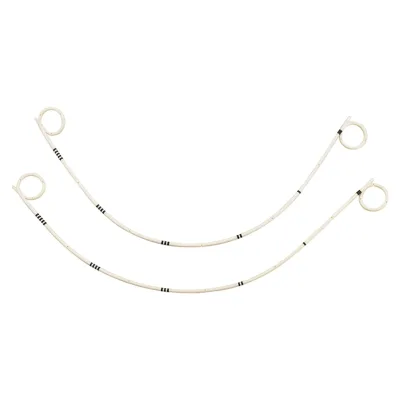


Comprehensive Sourcing Guide
Ethylene Oxide Sterilized Uterine Stents Sourcing Guide
Procuring ethylene oxide sterilized uterine stents requires a rigorous understanding of both the clinical application and the supply chain dynamics of medical device manufacturing. These devices are specialized surgical supplies designed for placement during hysteroscopic surgery, serving as critical tools for maintaining urethral or uterine patency. The sourcing process must balance technical precision with regulatory compliance, ensuring that every unit delivered meets the stringent safety standards required for invasive procedures. Buyers must navigate a market where customization, sterilization methods, and material properties are paramount to clinical success.
The global supply of these devices is heavily concentrated in specific manufacturing hubs, with China emerging as a primary source for high-volume production. Suppliers in this region often offer extensive customization options, including logo printing and OEM/ODM services, which are essential for private-label distributors and hospital networks. However, the availability of specific models and sizes can vary, requiring buyers to confirm stock levels and production capabilities before committing to large orders. Understanding the origin and the specific manufacturing standards of the supplier is the first step in mitigating supply chain risks.
Product Scope and Observed Listing Signals
The product landscape for uterine and urethral stents includes a variety of configurations, ranging from latex Nelaton catheters to hydrophilic coated stents and one-way valves. Listings often indicate a broad range of sizes, such as 4fr to 24fr, allowing for tailored solutions for different patient anatomies. The presence of features like soft materials and transparent designs suggests a focus on patient comfort and visibility during surgical procedures. Buyers should note that while some products are labeled as urethral stents, others may be classified as uterine catheters or surgical supply materials, necessitating careful verification of the intended clinical use.
Observed listing signals reveal significant variation in packaging and storage requirements, which directly impact logistics and inventory management. Products are typically packaged in blister bags, paper plastic bags, or corrugated boxes, with carton sizes varying from approximately 52 cm to 64 cm in length. Storage conditions are strictly defined, requiring dark, dry, and clean environments to maintain sterility and material integrity. These packaging details are not merely logistical concerns but are critical indicators of the manufacturer’s attention to quality control and product protection throughout the supply chain.
Technical Specifications to Verify
Technical verification begins with the physical dimensions and material properties of the stents. Key specifications to confirm include the French size (fr), which typically ranges from 4fr to 24fr, and the length, which may be standardized at 210±10 mm for certain models. The balloon capacity is another critical parameter, with options often available in 5ml or 8ml volumes, influencing the device’s anchoring capability and comfort. Buyers must ensure that the selected model aligns with the specific surgical protocols and patient needs, as mismatches in size or capacity can lead to procedural complications.
Material composition and surface treatments are equally important technical factors. Some stents feature hydrophilic coatings to reduce friction during insertion, while others may be constructed from latex or other polymers. The availability of raw material OEM options allows buyers to specify the exact polymer grade or coating type required for their market. Additionally, the presence or absence of logo printing and the specific model numbers, such as ST-12, should be verified to ensure traceability and consistency in future orders. These details are essential for maintaining product identity and performance standards across different batches.
Compliance and Safety Documentation
Regulatory compliance is non-negotiable in the medical device sector, and buyers must verify that suppliers hold the necessary certifications for their target markets. Common certifications observed in this category include CE marking, ISO 13485 for quality management systems, and FDA registration, which are critical for accessing major global markets. Additional certifications such as LGA, FSC, and ISO compliance further demonstrate a supplier’s commitment to quality and safety standards. Buyers should request valid certificates and verify their authenticity with the issuing bodies to ensure that the products meet all legal and clinical requirements.
Sterilization methods are a critical component of safety documentation, with ethylene oxide (EO) sterilization being a common process for these devices. The packaging must clearly indicate that the product is sterile and provide evidence of the sterilization process, such as biological indicator results or EO residue testing. Storage conditions must be strictly adhered to, as exposure to light, moisture, or extreme temperatures can compromise the sterility and integrity of the device. Buyers should ensure that the supplier’s quality control processes include rigorous testing of sterilization efficacy and packaging integrity to prevent contamination.
Cost Drivers and Commercial Terms
Cost structures for ethylene oxide sterilized uterine stents are influenced by several factors, including material costs, sterilization processes, and regulatory compliance expenses. The observed price range for these products can vary significantly, reflecting differences in quality, certification levels, and customization options. Buyers should be aware that lower prices may not always correlate with better value, as they might indicate compromises in material quality or regulatory adherence. A comprehensive cost analysis should include not only the unit price but also shipping, insurance, and potential tariffs or duties.
Commercial terms such as Minimum Order Quantity (MOQ) and lead times are critical for inventory planning and cash flow management. MOQs can range from as low as one unit for sampling to 100,000 units for large-scale distribution, allowing for flexibility in order sizes. Lead times are subject to confirmation and can be affected by production schedules, sterilization cycles, and shipping logistics. Buyers should negotiate clear terms regarding payment methods, delivery schedules, and return policies to mitigate financial risks and ensure a smooth procurement process.
Supplier Qualification and Quality Control
Supplier qualification involves a thorough assessment of the manufacturer’s capabilities, including their production facilities, quality management systems, and track record. Buyers should verify the supplier’s location, such as Guangdong, China, and assess their ability to meet specific customization requests, including logo printing and packaging design. The acceptance of OEM/ODM services indicates a supplier’s flexibility and willingness to collaborate on product development, which can be advantageous for brands seeking unique offerings. Due diligence should also include reviewing the supplier’s history of compliance with international standards and any past quality issues.
Quality control processes must be robust and transparent, with clear protocols for raw material inspection, in-process monitoring, and final product testing. Buyers should request detailed quality control reports and evidence of batch-to-batch consistency. The supplier’s ability to provide traceability for each batch, including sterilization records and packaging integrity tests, is essential for maintaining product safety. Establishing a strong relationship with the supplier through regular communication and periodic audits can help ensure that quality standards are consistently met and any issues are addressed promptly.
Long-Term Procurement Checks
Long-term procurement success depends on continuous monitoring of supplier performance and market trends. Buyers should establish key performance indicators (KPIs) to track delivery times, product quality, and responsiveness to issues. Regular reviews of supplier certifications and regulatory updates are necessary to ensure ongoing compliance with changing market requirements. Building a diversified supplier base can mitigate risks associated with single-source dependencies and provide flexibility in responding to supply chain disruptions.
Feedback loops with clinical users and internal stakeholders are vital for identifying areas for improvement and ensuring that the products meet evolving clinical needs. Buyers should actively seek feedback on product performance, ease of use, and patient outcomes to inform future purchasing decisions. Additionally, staying informed about technological advancements and new product developments in the uterine stent market can help buyers remain competitive and offer the latest solutions to their customers. Continuous engagement with suppliers and the market ensures that procurement strategies remain aligned with business goals and clinical standards.
FAQs
What certifications do ethylene oxide sterilized uterine stents typically have?
These devices commonly hold CE, ISO13485, FDA, LGA, and FSC certifications. Such credentials ensure compliance with international medical device standards. Buyers should verify specific certificate validity with the supplier before procurement to guarantee regulatory acceptance in their target markets.
How are ethylene oxide sterilized uterine stents packaged for shipping?
Packaging typically involves individual blister bags or paper plastic pouches for sterile integrity. Bulk shipments use corrugated or carton boxes, with specific dimensions like 57.5x35.5x51.5 cm or 64x45x45 cm. This ensures safe transport and maintains the sterile barrier until clinical use.
Can buyers request custom logo printing on these stents?
Yes, customization including logo printing is available for many manufacturers. This service allows hospitals or distributors to brand the packaging or device. Buyers should confirm availability and any associated costs or minimum order quantities when requesting personalized branding options from suppliers.
What sizes are available for ethylene oxide sterilized uterine stents?
Available sizes often range from 4fr to 20fr, including specific models like 9fr or 6fr. Some products offer sizes such as 4.5fr, 5fr, 6fr, 7fr, and 8fr. Selecting the correct size is critical for hysteroscopic surgery applications and patient comfort.
Where are ethylene oxide sterilized uterine stents typically manufactured?
These medical devices are predominantly manufactured in China, particularly in regions like Guangdong. Chinese factories often provide OEM/ODM services and accept raw material customization. Buyers should verify factory locations and production capabilities to ensure supply chain reliability and quality control.
What are the storage conditions for these sterilized stents?
Products must be stored in dark, dry, and clean conditions to maintain sterility and material integrity. Proper storage prevents degradation of the hydrophilic coating or latex material. Buyers should ensure their storage facilities meet these environmental requirements to avoid product damage before clinical application.